
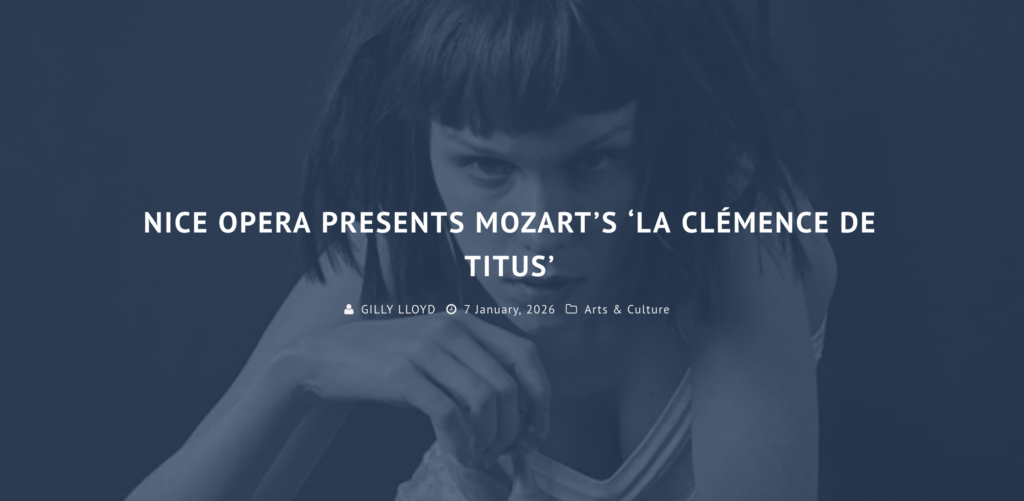
Kirill Karabits leads the Nice Philharmonic Orchestra and the Nice Opera Chorus, in a new co-production with Limoges Opera, of Mozart’s last work La Clémence de Titus (The Clemency of Tito). The opera stars Enea Scala in the title role, with Anaïs Constans as Vitellia and Marion Lebegue as Sesto. Jean-Philippe Clarac and Olivier Deloeuil (le Lab) are responsible for stage direction, set and costume design.
Mozart wrote his two-act opera seria for the coronation of Leopold II as King of Bohemia in September 1791. Opera seria is an Italian musical term which refers to the noble and “serious” style of Italian opera that predominated in Europe from the 1710s to about 1770. One of Mozart’s last operas, La Clémence de Titus is a story of the triumph of friendship and forgiveness over jealousy and violence. The Italian libretto was originally based on The Lives of the Twelve Caesars by Roman historian Suetonius and Italian poet and librettist Pietro Metastasio, but was revived and renewed by Caterino Mazzolà. It premiered at the Prague State Theatre on September 6th, 1791.
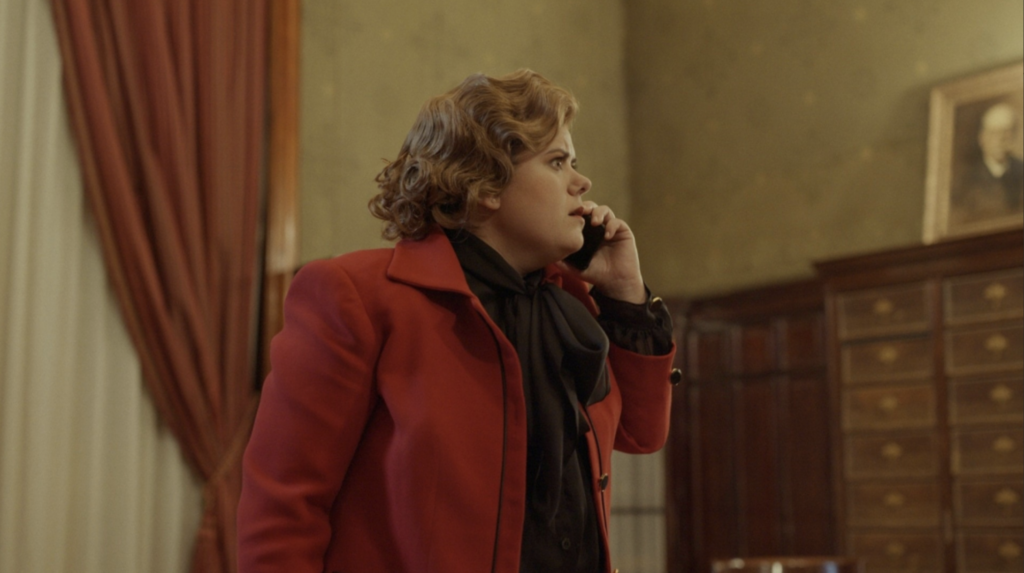
Anaïs Constans as Vitellia in Nice Opera’s production of Mozart’s ‘La Clémence de Titus’
Jean-Philippe Clarac and Olivier Deloeuil have brought the action forward to the present day, but originally the opera was set in Rome in the year AD80. The story tells of Tito, the new emperor of Rome, who is much loved by his people. Vitellia, daughter of the previous emperor, seeks to return to her rightful place on the throne by marriage, but when this fails, she plots to assassinate Tito, with the help of her young admirer, Sesto, who – despite his friendship with Tito – will do anything to gain the affection of Vitellia. He sets fire to the Capitol, then goes missing, feeling terribly guilty about what he’s done. He’s found by his friend, Annio, who persuades him to confess his guilt to Tito. Sesto faces execution, although Tito is concerned about executing his friend, is also conscious of his reputation for clemency. Tito is helped in his dilemma by Vitellia, who realises that Sesto’s life is too high a price to pay for her ambitions. She asks Tito to spare his life, and Tito announces a pardon for all those who conspired to kill him, winning the praise of the people of Rome.
Italian tenor Enea Scala takes the role of Tito. As a bel canto performer, he is known internationally for his Rossini roles such as Rinaldo in Armida, Argirio in Tancredi, Pirro in Hermione and Idreno in Semiramide. Among his recent and future commitments are appearances in Donizetti’s Lucrezia Borgia at the Rome Opera House, the title role in Massenet’s Wozzeck at Teatro La Fenice in Venice, and Rodolfo in Verdi’s La traviata at the Grand Théâtre de Genève and at the Fondazione Arena di Verona.
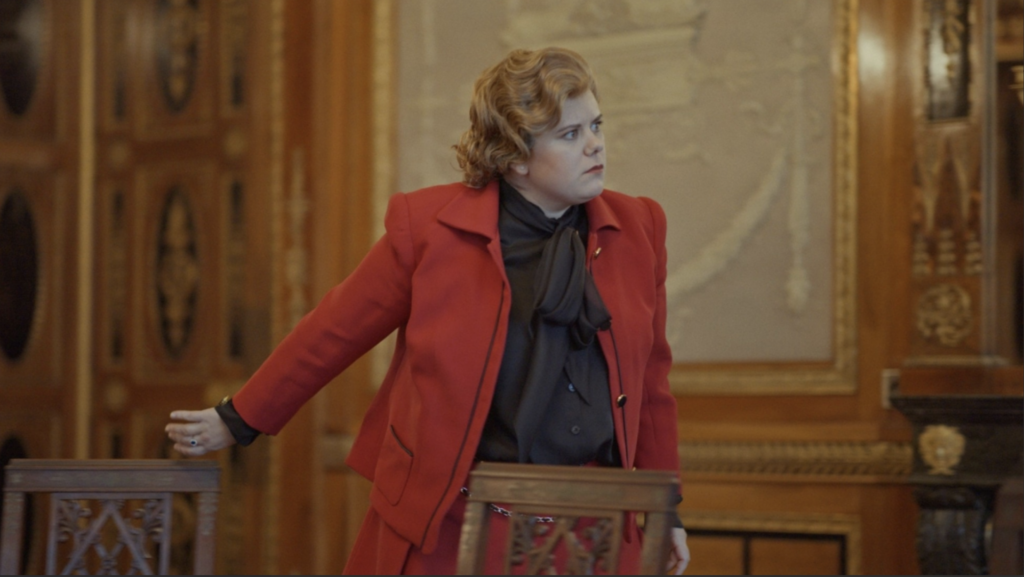
French soprano Anaïs Constans is Vitellia. Among her past appearances are Pauline in Offenbach’s La Vie Parisienne and Leïla in Bizet’s Les Pêcheurs de perles in Toulon, Pisana in Verdi’s I due Foscari and Micaëla in Bizet’s Carmen in Toulouse, Musetta in Puccini’s La bohème at the Gattières Festival and Nannetta in Verdi’s Falstaff at the Saint Céré Festival. Engagements for last season and the 2025–2026 season are Micaëla in Carmen at Theater Basel and at the Théâtre du Capitole de Toulouse, Zerlina in Mozart’s Don Giovanni and Crobyle in Massenet’s Thaïs at the Opéra de Liège.
French mezzo-soprano, Marion Lebegue, sings the role of Sesto. As a recitalist she sang in Beethoven’s Ode to Joy at Chorégies d’Orange and with the National Opera Orchestra of Montpellier. This past season she sang the role of Geneviève in Debussy’s Pellèas et Mèlisande at the Royal Opera of Wallonie-Liège, the title role in Dvořák’s Rusalka with the Marseille Opera, Donna Elvira in Mozart’s Don Giovanni at the Théâtre des Champs-Élysées and Uta in Reyer’s Sigurd at Marseille Opera. Next year she will take the role of Fricka in Wagner’s Das Rheingold at Marseille Opera.
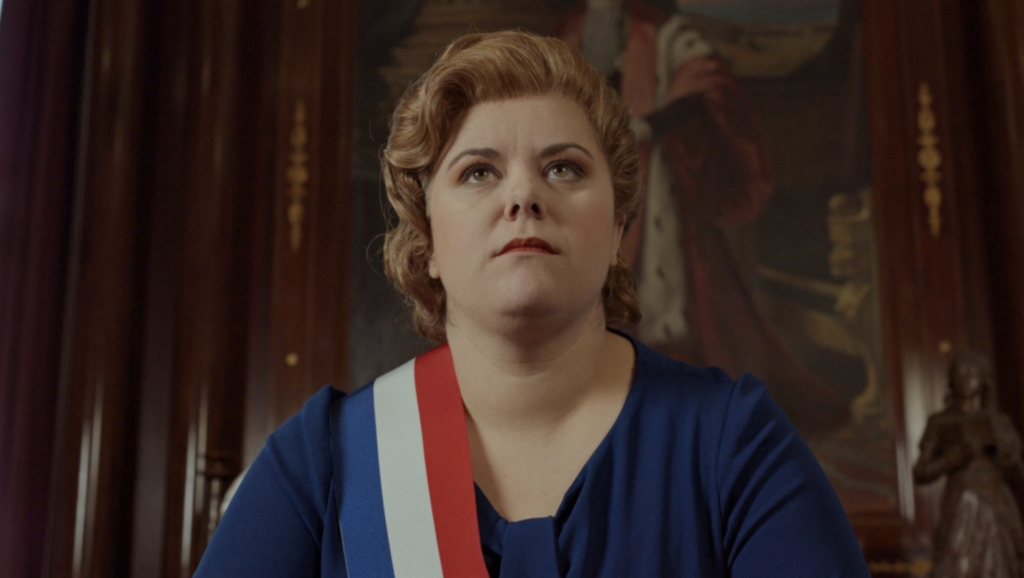
Also in the cast are Faustine de Monès as Servilia, Coline Dutilleul as Annio and Gabriele Sagona as Publio.
Collaboration on set design and lighting are by Christophe Pitoiset, video production is by Pascal Boudet, video editing by Timothée Buisson, graphic design by Julien Roquesm and dramaturgie by Luc Bourrousse.
La Clémence de Titus will be sung in Italian, with surtitles in French and English.
Kirill Karabits leads the Nice Philharmonic Orchestra and the Nice Opera Chorus in four performances of La Clémence de Titus between January 30th and February 5th at Nice Opera. Further information and details of ticketing are on the Nice Opera website.
On Sunday, February 1st, there’s an invitation for 5 – 10 year-olds to accompany their parents, to discover the hidden secrets of this production and to participate in original cultural activities, for just €5. Information and booking at the box office, subject to availability.
Information sourced from:
Nice Opera programme notes
Artists’ websites
Leave a Reply